A better trap creation system in Fallout should feel like engineering + survival improvisation + tactical defense, not just placing static mines. It should reward creativity, planning, and player identity.
Below is a structured design blueprint.
1) Core Design Philosophy
Player Fantasy:
You’re not dropping canned explosives. You’re a wasteland engineer building lethal systems from scavenged tech.
Design Pillars
Modular — parts snap together like circuitry
Systemic — traps interact with physics, AI, weather, power grids
Readable — clear logic flow so players understand outcomes
Replayable — endless combinations, not preset recipes
Tactical — viable in stealth, defense, ambush, PvE, PvP
2) Trap Building Interface (Diegetic Engineering UI)
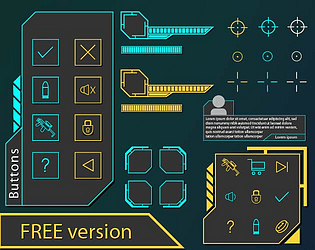
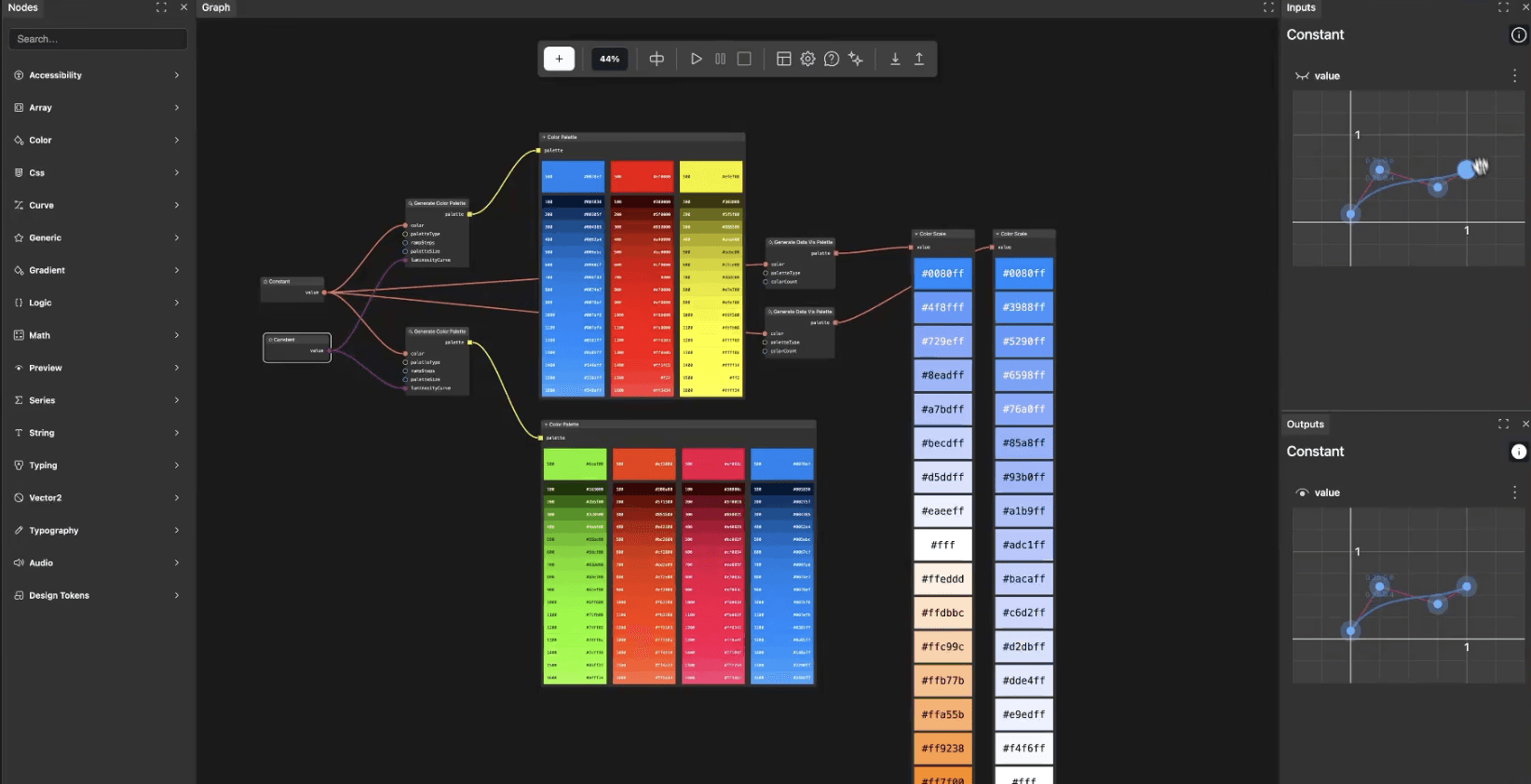
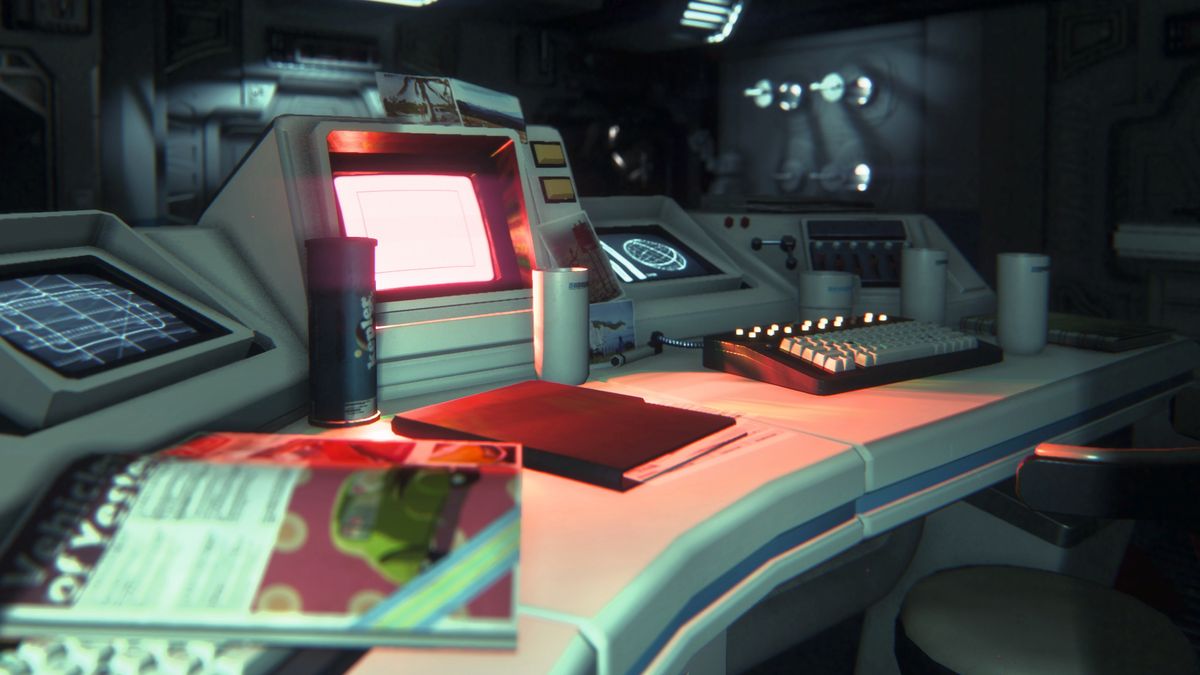

Workbench Mode: “Trap Engineering Table”
A. Node-Based Logic Grid
Like wiring a bomb squad board.
Trigger Node — what activates it
Logic Node — conditions (timers, proximity, factions)
Effect Node — what happens
Modifier Node — scale, radius, chaining behavior
Power Node — batteries, generators, solar rigs
Players visually connect nodes to design behavior.
If Raider detected → wait 2s → electrify puddle → ignite gas leak
B. Ghost Preview Layer
AR-style projection shows:
Blast radius
Line-of-sight cones
AI path intersections
Chain reaction spread
Friendly-fire risk
3) Trap Component System (Build Like LEGO)
A. Trigger Types
Tripwire (laser / wire / junk rope)
Pressure plate (weight classes)
Motion sensor (organics vs machines)
Sound detection
Line-of-sight beam
Remote detonation
AI lure beacon
Bio-signature scanner
B. Payload Types
Explosive (frag / concussive / shaped charge)
Elemental (fire / cryo / shock / corrosive)
Environmental (gas release / oil spill / radiation burst)
Mechanical (spring spike / crushing piston)
Energy (laser grid / plasma arc)
Creature cage release
C. Logic Modifiers
Delay timers
Target filters (faction / species / size)
Chain priority order
Randomization %
Multi-stage escalation
Fail-safe disarm windows
4) Chain Reaction System (The Signature Feature)
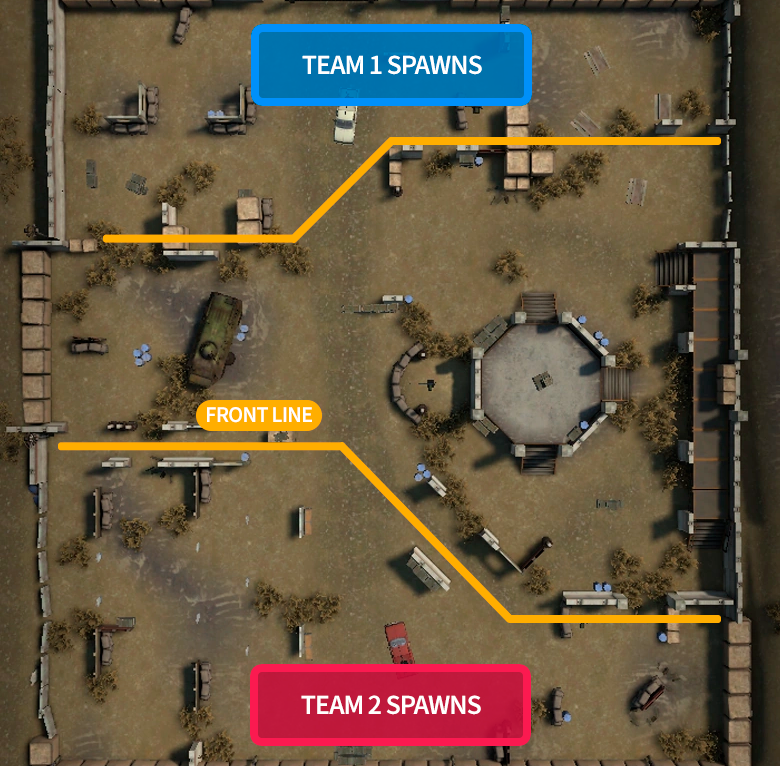

Traps don’t exist alone. They form networks.
A. Network Logic
Each trap can:
Trigger another trap
Modify another trap’s effect
Prime environmental hazards
Change AI routing
B. Example Combos
Silent Hunter Build
Noise emitter → lure enemies
Floor adhesive → immobilize
Pneumatic spike → silent kill
Siege Defense Build
Breach sensor → door seal
Oil flood → ignition trap
Ceiling collapse piston
Mad Scientist Build
Tesla coil → electrified rain puddles
EMP burst → power armor shutdown
Auto-turret wake protocol
5) Environmental Integration
World reacts to trap placement.
| Environment | Interaction |
|---|---|
| Rain | Conducts electricity traps |
| Sandstorms | Obscures laser triggers |
| Fog | Enhances stealth traps |
| Metal floors | Amplify shock radius |
| Gas pockets | Chain explosions |
| Wildlife zones | Creature-triggered traps |
6) AI Awareness & Counterplay
Enemies
Detect poor wiring
Probe with thrown debris
Send expendable units first
Jam signals
Disarm if skilled
Player Counter-Counterplay
Hidden wiring routes
Decoy devices
Trap encryption perks
False trigger signals
7) Trap Specializations (Player Identity)
Skill trees define how you trap.
| Archetype | Style |
|---|---|
| Wasteland Engineer | Efficient, reusable systems |
| Saboteur | Silent, anti-personnel traps |
| War Architect | Large defensive networks |
| Mad Mechanist | Experimental chain reactions |
| Beast Tamer | Creature-release ambushes |
8) Field Deployment Mode



Outside the bench:
Quick-Deploy Radial Menu
Favorite trap loadouts
Hologram ground projection
Snap-to-surface mounting
Elevation and angle tuning
Live power grid overlay
9) Settlement Defense Planner
Top-down command layer:
Draw kill-zones
Assign trap clusters
Set civilian safe corridors
Simulate attack waves
Resource strain forecast
10) Cinematic Systems (Because Fallout)
When traps trigger:
Dynamic slow-mo on major chains
Kill-cam priority on complex setups
Radio chatter reacting to defenses
Reputation gain for “legendary ambushes”
11) Progression & Loot Loop
Better traps require:
Rare schematics
Pre-war military manuals
Salvaged robotics cores
Experimental energy cells
Faction engineering alliances
12) Why This Works for Fallout
Fallout thrives on:
Improvised tech
Player agency
Emergent chaos
Dark humor engineering
Systemic sandbox gameplay
A deep trap system turns players into:
Wasteland tacticians, not mine-droppers
13) Advanced Logic & Automation Layer
A. Conditional Logic (IF / THEN / ELSE)
Turn traps into programmable devices.
Logic Blocks
IF enemy count ≥ X → escalate payload tier
IF target = Power Armor → switch to EMP payload
IF player health < 30% → auto-detonate defensive ring
IF night time → enable stealth traps only
Behavior Types
Sequential logic (A → B → C)
Parallel logic (A + B fire together)
Priority stacks (life-saving traps override all)
Boolean gates (AND / OR / NOT)
This lets players design:
Reactive defense systems, not static ambushes.
B. State-Based Trap Networks
Trap grids remember battlefield state.
Example States
Alert Mode — loud, lethal, area denial
Silent Mode — stealth captures & immobilizers
Evac Mode — seal doors, suppress pursuit
Siege Mode — resource-efficient sustained defense
Players toggle modes manually or via conditions.
14) Materials & Salvage Engineering
A. Scrap Has Mechanical Identity
Different junk creates different trap properties.
| Material | Gameplay Property |
|---|---|
| Military circuits | Faster trigger latency |
| Toy parts | Unstable but creative effects |
| Industrial springs | Higher kinetic force |
| Medical tubing | Gas dispersal efficiency |
| Pre-war polymers | Silent mechanisms |
| Rusted scrap | Noisy but intimidating |
Crafting becomes engineering choices, not recipes.
B. Wear, Failure & Improvisation
Post-apocalyptic tech should feel unstable.
Overloaded traps misfire
Weather corrodes components
Cheap parts jam
Jury-rigging increases randomness
Maintenance kits extend reliability
Players choose:
Reliable military tech vs chaotic wasteland contraptions
15) Mobile & Throwable Trap Systems
A. Tactical Throwables
Not grenades. Deployable devices.
Adhesive foam pods (area denial)
Pop-up razor wire
Micro proximity mines
Sonic disorientation beacons
Collapsible spike mats
B. Drone-Deployed Traps
Scout drone plants traps in hostile zones
Flying deployer drops ceiling devices
Burrow bots lay underground charges
Perfect for stealth engineers.
16) Verticality & Spatial Engineering
Traps are no longer floor-only.
Placement Surfaces
Ceilings (drop nets, crushers)
Walls (dart launchers, flame vents)
Door frames (breach punishers)
Elevators (shaft sabotage)
Stairwells (gravity traps)
Vents (gas routing)
Players design:
3D ambush architecture
17) Psychological Warfare Systems
Traps influence morale, not just HP.
A. Fear Mechanics
Loud mechanical traps cause panic spread
Visible brutal traps deter AI routes
Fake traps manipulate pathfinding
Recorded screams lure enemies
B. Reputation Effects
Factions react to your engineering style.
| Style | Reputation |
|---|---|
| Humane immobilization | Protector image |
| Brutal dismemberment rigs | Raider fear legend |
| High-tech precision traps | Tech cult respect |
| Creature-based ambushes | Wasteland myth status |
18) Faction Engineering Styles
Each faction teaches different trap doctrine.
| Faction Style | Identity |
|---|---|
| Militarized Grid Systems | Efficient kill corridors |
| Raider Chaos Rigs | Unpredictable brutality |
| Vault Security Systems | Clean automation networks |
| Tech Cult Energy Webs | Laser & plasma lattices |
| Wasteland Trappers | Creature + terrain synergy |
Joining factions unlocks:
Unique parts
Signature logic modules
Visual aesthetics
Tactical doctrines
19) Co-Op & PvP Engineering Meta
A. Co-Op Roles
Players specialize in networks.
Architect — macro defense planning
Saboteur — offensive infiltration traps
Quartermaster — power & resources
Field Tech — fast repairs mid-combat
B. PvP Mind Games
Fake signal traps
Decoy power lines
Trap signature spoofing
Logic scrambling EMPs
Becomes:
Engineering chess, not twitch combat
20) Pip-Boy Quick Engineer Mode
A. Combat Editing
Slow time → rewire live traps.
Reroute power
Change trigger filters
Arm/disarm networks
Switch behavior states
B. Network Overlay
Color-coded battlefield view:
Red = lethal zones
Yellow = control traps
Blue = detection grid
Purple = chain links
21) Signature “Only in Fallout” Trap Types
A. Absurdist Wasteland Tech
Nuka-Cola pressure geysers
Junk cannon ricochet rooms
Radioactive brahmin bait bombs
Mannequin ambush rigs
Protectron parade decoys
B. Creature Ecology Traps
Mirelurk pheromone lures
Deathclaw territorial sounders
Radroach swarm pods
22) Encounter Director Integration
The game AI recognizes trap mastery.
Smarter enemy breach tactics
Specialized anti-trap units
Dynamic reinforcement routes
Bosses that adapt to your patterns
Your engineering shapes enemy doctrine.
23) Cinematic Chain Reaction System
When complex networks trigger:
Dynamic camera selection
Multi-angle replays
Environmental destruction focus
Named “Legendary Defense” moments
Shareable highlight clips
Turns engineering into spectacle.
24) Mastery Progression Tracks
Players level engineering philosophy, not just perks.
| Track | Mastery Fantasy |
|---|---|
| Systems Engineer | Elegant automated networks |
| Wasteland Hacker | Smart adaptive logic |
| Demolition Savant | Precision devastation |
| Ambush Artist | Perfect silent setups |
| Chaos Inventor | Wild unpredictable contraptions |
25) Why This Elevates Fallout
This system transforms traps into:
Creative expression
Strategic identity
Emergent storytelling
Faction roleplay
Sandbox engineering gameplay
You stop placing mines.
You start designing:
Wasteland defense ecosystems
A complete Trap Systems Design Pack for
Fallout
📘 1) Trap Hunter Faction
Identity
Name: The Deadfall Collective
Reputation Title: Engineers of Consequence
Philosophy: “The wasteland is a machine. We decide where it breaks.”
They believe territory is controlled through preparation, geometry, and inevitability — not brute force.
Visual Language
Layered scrap armor with tool harnesses
Deployable tripods, cable spools, sensor lenses
Portable drafting slates and holographic planners
Trophy tags taken from “successful sites”
Unit Roles
| Role | Battlefield Function |
|---|---|
| Pathcutters | Scout routes, mark chokepoints |
| Wirewrights | Install trigger grids |
| Payload Smiths | Build complex devices |
| Lurecasters | Bait enemies into kill corridors |
| Salvage Scribes | Recover parts mid-combat |
| Site Architects | Command large trap networks |
Questline Arc
Act I — “The Geometry of Survival”
Learn chokepoint science
Restore an abandoned defense grid
Act II — “Proof of Control”
Design a settlement defense
Choose humane vs brutal doctrine
Act III — “The Quiet War”
Counter a faction that adapts to traps
Deploy evolving network logic
Finale — “Territory is a Decision”
Build a region-scale automated defense web
📘 2) In-Universe Trap Lore Compendium
Pre-War Doctrine Excerpts
U.S. Army Defensive Automation Manual (2069)
“Autonomous perimeter denial reduces manpower by 64%.”
Wasteland Field Notes
Raider Log #44
“We didn’t see the wires. We heard the click.”
Vault Security Records
“Behavioral routing more effective than lethal force.”
Trapper Proverbs
“The loud trap kills one. The patient trap owns ten.”
“A corridor is a weapon pointed both ways.”
🎮 3) Pip-Boy Trap Crafting UI Flow
Step Flow
Select Trap Frame
Mine
Launcher
Environmental rig
Logic hub
Attach Trigger Module
Proximity
Pressure
Beam
Bio-scan
Remote
Attach Payload Core
Explosive
Elemental
Mechanical
Environmental
Creature-release
Add Logic Modifiers
Delay timers
Target filters
Chain priority
Escalation stages
Assign Network Role
Initiator
Relay
Finisher
Failsafe
Decoy
Simulate Outcome
Blast map
AI path prediction
Power load
Civilian risk
Deploy / Save Loadout
📟 4) Pip-Boy Trap Crafting UI Mockups

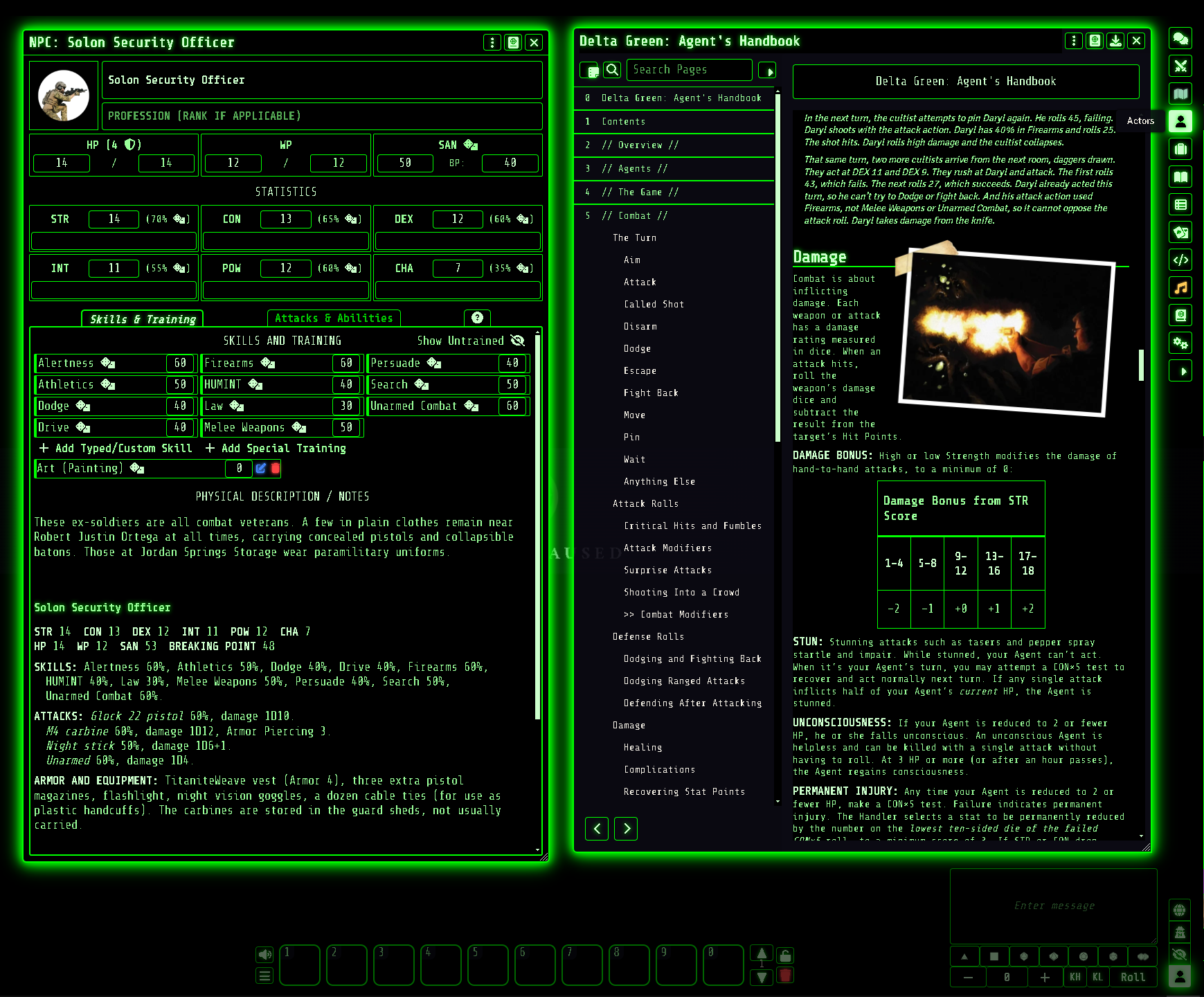
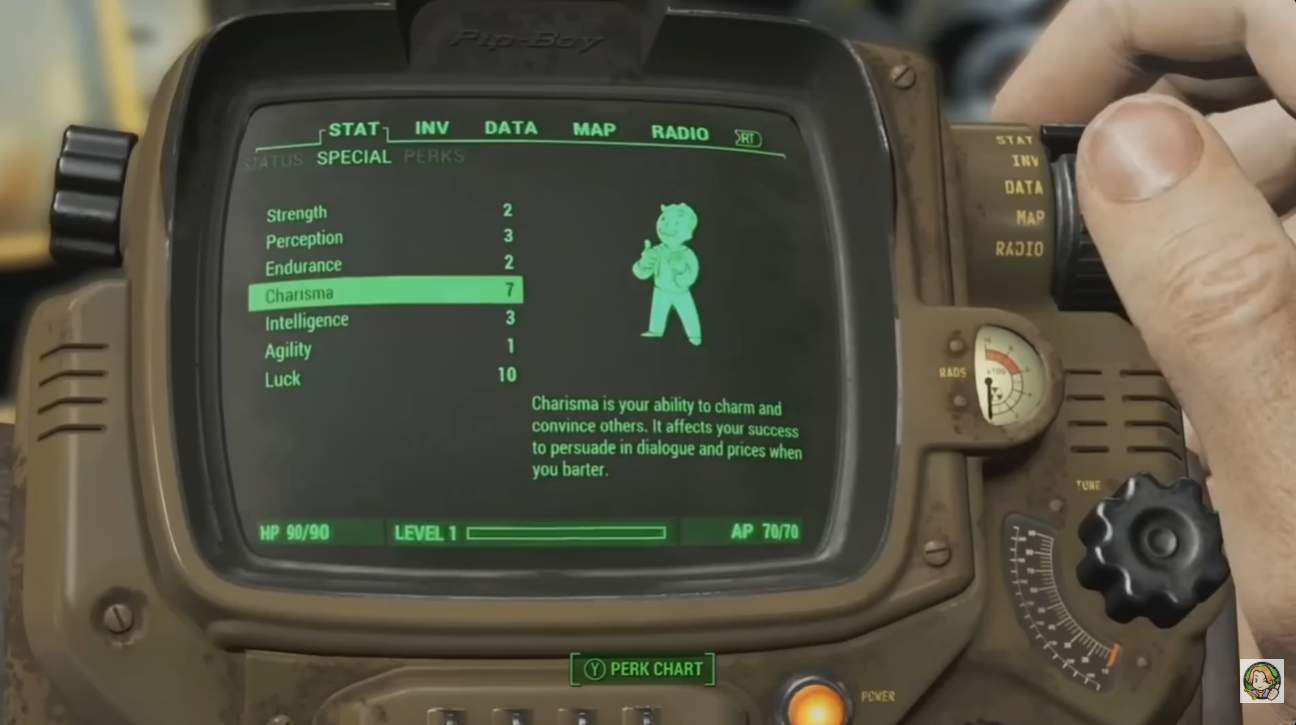

Interface Principles
Monochrome vector UI
Knob-driven category tabs
Wireframe device previews
Toggle-based logic chains
Simulation overlay mode
🗺️ 5) Full Trap Network Logic Diagram (Technical Blueprint)
Network Architecture Layers
A. Trigger Layer
Detects world state.
Proximity sensors
Faction scanners
Sound meters
Line-of-sight beams
Pressure arrays
↓
B. Logic Layer
Evaluates conditions.
Boolean gates
Timers
Priority stacks
State machines
Randomizers
↓
C. Routing Layer
Directs outcomes.
Chain linking
Target assignment
Escalation trees
Parallel triggers
↓
D. Effect Layer
Executes payloads.
Explosive events
Elemental fields
Mechanical motion
AI signal injection
Environmental release
↓
E. Feedback Layer
Updates system state.
Alert escalation
Power redistribution
Trap cooldowns
AI adaptation flags
🧱 6) Settlement Defense Mega-Layouts



A. Funnel Corridor Grid
Layered chokepoints
Crossfire lanes
Escalating trap density
B. Honeycomb Defense Web
Sector isolation
Redundant fail-safes
Power grid redundancy
C. False Safe Route
Illusion of escape
Narrative bait path
Cinematic ambush core
D. Vertical Kill Stack
Rooftop drops
Window launchers
Basement collapse rigs
⚙️ 7) Full Trap Perk Tree Visuals (Design Structure)
Tier 1 — Fundamentals
Trap placement speed
Salvage yield
Basic wiring
Tier 2 — Control
Trigger filtering
Silent mechanisms
Power efficiency
Tier 3 — Engineering
Multi-stage chains
Environmental routing
Smart targeting
Tier 4 — Automation
State-based networks
Auto-repair drones
AI misdirection logic
Tier 5 — Mastery
Choose doctrine:
| Path | Identity |
|---|---|
| Systems Architect | Elegant automation |
| Ambush Savant | Stealth lethality |
| War Engineer | Large-scale defense |
| Chaos Mechanist | Unpredictable reactions |
🎥 8) Chain Reaction Cinematic Camera System (Design Doc)
Trigger Conditions
3+ trap links
Multi-surface destruction
Elite enemy elimination
Settlement defense climax
Camera Logic
Identify epicenter
Predict chain path
Select cinematic spline
Trigger slow-motion window
Dynamic angle switching
Environmental destruction focus
Visual Language
Shockwave tracking cams
Debris-follow shots
Thermal vision overlays
Kill confirmation freeze frames
Player Rewards
“Legendary Defense” tags
Shareable replays
Faction reputation boosts
Why This Package Matters
This transforms traps into:
Tactical identity systems
Narrative worldbuilding
Engineering gameplay loops
Spectacle-driven sandbox moments
It fits Fallout’s:
Systems depth
Emergent chaos
Player authorship

.jfif)

No comments:
Post a Comment